Drunken Noodles Recipe with Beef and Bell Peppers
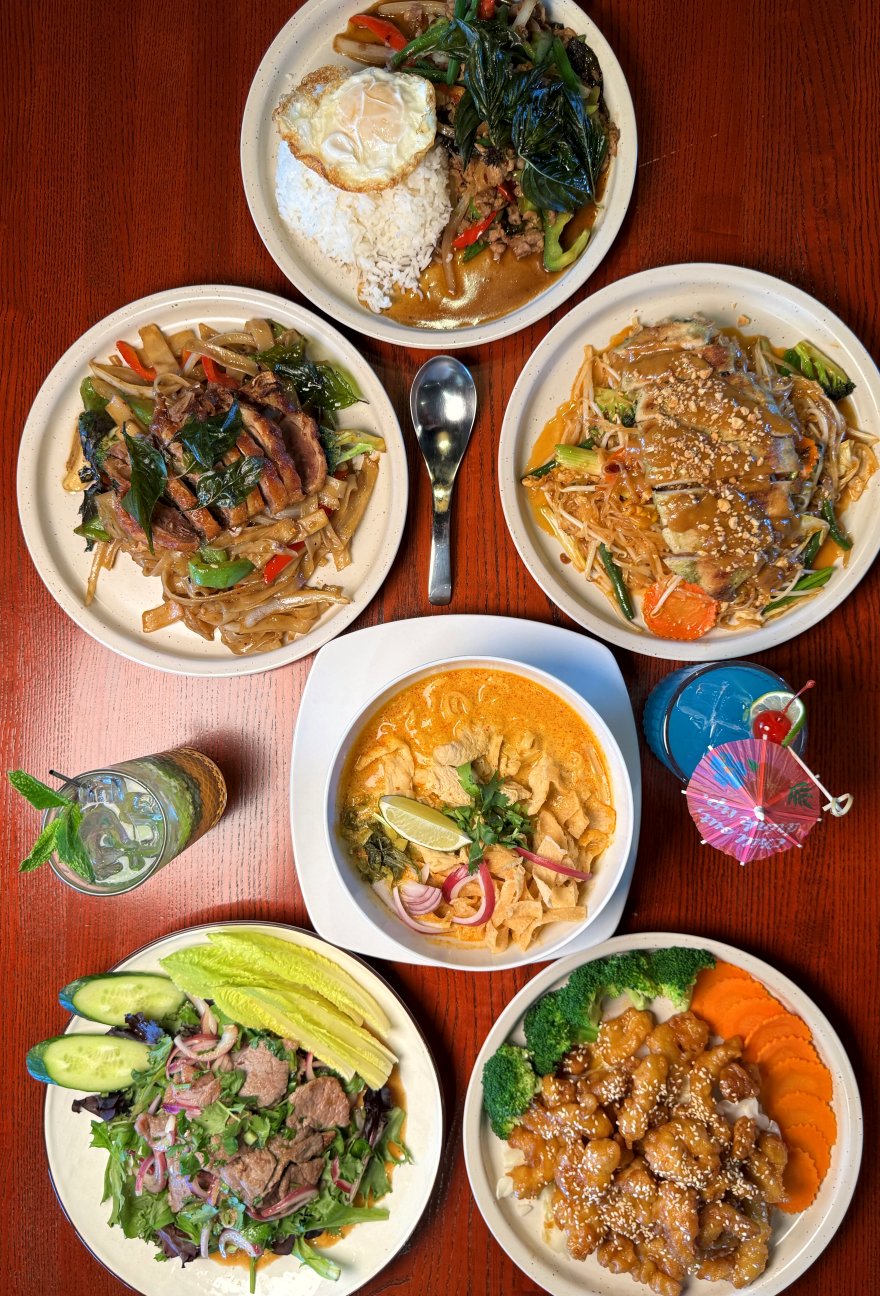
Few noodle dishes deliver the same mix of heat, sweetness, savoriness, and chew as Drunken Noodles. When the pan is hot enough and the sauce hits at the right moment, you get glossy rice noodles that cling to every slice of beef, softened bell pepper, and shard of basil. It is a fast dish, but not a careless one. The difference between a plate that tastes flat and one that tastes like it came from a good Thai kitchen usually comes down to timing, heat control, and how you treat the noodles before they ever reach the wok.
This version leans into beef and bell peppers, which makes the dish especially satisfying for dinner. Beef gives it body and richness, while bell peppers bring sweetness and color that balance the salty sauce and fresh chile heat. I like this combination because it turns Drunken Noodles into a complete meal without making it heavy. The vegetables remain visible and distinct, the beef stays tender, and the noodles absorb just enough sauce to taste full without turning muddy.
A lot of home cooks assume Drunken Noodles are complicated because restaurant versions arrive with a smoky aroma and a polished finish that feels hard to reproduce. The truth is simpler. The ingredients matter, but the technique matters more. Once you understand the rhythm of the dish, it becomes one of the most reliable noodle dinners you can make at home.
What makes Drunken Noodles distinct
Drunken Noodles, often associated with pad kee mao, are known for broad rice noodles, a punchy sauce, fresh basil, and assertive heat. They are not delicate. This is not the kind of noodle dish where every flavor whispers. It should taste vivid and immediate, with salty depth from soy-based seasonings, sweetness to round the edges, and enough chile to wake everything up.
The name sparks curiosity, but what matters in the kitchen is the style. These noodles are meant to be bold, a little unruly, and very aromatic. Wide rice noodles are especially important because they hold sauce well and create that characteristic slippery chew. Beef works beautifully here because its savory quality stands up to the sauce without disappearing behind it. Bell peppers are not mandatory in every version, but they make a lot of sense. They cook quickly, bring moisture and crunch, and add a clean sweetness that softens the sharper notes.
When I make this at home, I aim for contrast. The noodles should be soft but not broken. The beef should still have some spring. The peppers should bend without collapsing. Basil should wilt into the sauce but still announce itself the second the plate lands on the table.
The ingredients that carry the dish
Good Drunken Noodles do not require a long shopping list, but every ingredient earns its place. If one element is weak, the whole dish shows it. Pre-shredded vegetables, overcooked noodles, or an overly sweet bottled sauce can make the final result taste generic. A few small choices improve the dish dramatically.
Here is the ingredient lineup I use for four solid servings:
- Twelve to fourteen ounces wide rice noodles, fresh if available, or dried flat rice noodles soaked and softened according to package directions.
- One pound flank steak, sirloin, or ribeye, thinly sliced against the grain, plus two bell peppers, one onion, and four to six cloves of garlic.
- Two to four Thai chiles or one to two serranos, a large handful of Thai basil or sweet basil, and a few green onions if you like a sharper finish.
- For the sauce, use soy sauce, dark soy sauce, oyster sauce, fish sauce, and a small amount of sugar.
- Neutral oil for cooking, and a spoonful of water or stock on hand in case the noodles need loosening in the pan.
There is flexibility here, but not infinite flexibility. If you skip the basil, you lose one of the dish’s defining aromas. If you leave out fish sauce because you are worried it will taste too strong, the noodles often end up missing that deep savory edge that makes restaurant versions so compelling. If you only use regular soy sauce and nothing else, the flavor can taste one-dimensional.
Dark soy sauce deserves special mention. You do not need much, and you should not use it as the main salty component. Its value is color and a slightly deeper, rounder sweetness. Too much makes the noodles heavy and overly dark. Used sparingly, it gives the dish that lacquered look people often chase.
Choosing the right beef
Beef in stir-fried noodles needs a quick-cooking cut. Flank steak is my most common choice because it slices neatly and stays tender if cut thinly against the grain. Sirloin is also reliable and a little easier to find in many supermarkets. Ribeye is excellent if you want a richer result, though it can make the dish more indulgent than necessary for a weeknight dinner.
The main mistake with beef is slicing it too thick. Thick slices demand longer cooking, and longer cooking is the enemy of a stir-fry. By the time the center is done, the edges toughen and the vegetables overcook. I usually chill the beef for 20 to 30 minutes before slicing. That firms it slightly and makes it easier to cut into clean, thin strips.
A light seasoning or brief marinade can help, but keep it restrained. In a dish with this much sauce, the beef does not need a long soak. Ten to fifteen minutes with a spoonful of soy sauce and a little oil is enough if you want a head start on flavor. More than that and the beef can become too wet, which interferes with browning.
Bell peppers are more than filler
Bell peppers often get dismissed as the safe stir-fry vegetable, but in Drunken Noodles they are genuinely useful. Their sweetness offsets fish sauce and chile heat. Their structure holds up in a very hot pan. They also give the dish visual contrast, which matters more than people admit. A bowl of uniformly brown noodles might taste fine, but it rarely feels exciting.
Red bell peppers are sweetest and make the dish look vibrant. Green peppers bring a grassy bitterness that can work if you like a sharper finish. Yellow and orange sit in the middle. I often use two colors because the dish looks more generous and varied with almost no extra work.
Slice them into strips, not chunks. Strips cook at the same pace as onion and integrate more naturally with broad noodles. Large pieces stay awkward and tend to slip off the fork or chopsticks while the noodles come away separately.
The noodle question
This is where many home versions go wrong. Rice noodles are forgiving up to a point, then suddenly not forgiving at all. They can go from stiff to perfect to torn and gummy in a short span. The exact handling depends on whether you are using fresh or dried noodles.
Fresh wide rice noodles are ideal. They separate quickly and absorb sauce beautifully. If they are refrigerated and stuck together, bring them closer to room temperature before cooking. Cold fresh noodles can snap when forced apart. I usually loosen them gently with my fingers and set them near the stove so they are ready the second the wok is free.
Dried noodles work very well too, but they need restraint. Do not boil them to complete softness. They should still have a little resistance because they will finish in the pan. If you soak or cook them until fully tender beforehand, they often break apart when tossed with sauce. A noodle that feels just underdone in the bowl usually lands perfectly on the plate.
If the noodles clump in the pan, a tablespoon or two of water helps. Not a flood, just enough steam to loosen them. This is one of those practical details that makes home stir-fries better. People are often afraid to add any water at the end, but a small amount can save texture without diluting flavor.
Building a sauce that tastes balanced
Drunken Noodles sauce should not taste impressive in the mixing bowl by itself. It should taste a bit strong, a bit salty, and slightly sweeter than seems necessary. Once it hits bland noodles and raw vegetables, it settles into balance.
For a pound of beef and about fourteen ounces of noodles, I usually start with roughly three tablespoons soy sauce, one tablespoon dark soy sauce, two tablespoons oyster sauce, one to two teaspoons fish sauce, and one to two teaspoons sugar. Then I adjust based on the saltiness of the soy and oyster sauce I am using. Some brands are much stronger than others, which is why exact measurements in stir-fry recipes need judgment behind them.
If you like the dish hotter, add sliced chiles directly to the pan rather than increasing black pepper or dried chili flakes in the sauce. Fresh chiles make the heat feel brighter and more integrated. If the sauce tastes too sweet, the answer is usually more fish sauce or soy, not less sugar alone. The sweet note is there to smooth the edges.
The method that keeps everything in control
This is a dish you want to stage before turning on the heat. Once the wok or skillet is hot, there is no leisurely chopping between steps. Have the beef sliced, vegetables ready, noodles loosened, basil picked, and sauce mixed before you begin. That single habit fixes more stir-fry problems than any other.
Cook it like this:
- Heat a wok or large heavy skillet until very hot, add oil, then sear the beef in a single layer or in batches until just browned. Remove it before it fully cooks through.
- Add a little more oil if needed, then stir-fry the onion, bell peppers, garlic, and chiles until fragrant and lightly softened but still crisp at the edges.
- Add the noodles and pour in the sauce, tossing gently but quickly so the noodles absorb the seasoning without breaking apart.
- Return the beef to the pan, add basil, and toss until the basil wilts and the beef finishes cooking, about one to two minutes.
- Taste immediately, adjust with a splash of fish sauce, soy, or a spoonful of water if needed, then serve hot.
Those five steps sound straightforward because they are, but the details matter. The beef should come out of the pan early enough that it does not overcook when it returns. The vegetables should still look alive. The noodles should get enough direct contact with the pan to pick up a little char in places. And once the basil goes in, the dish should be almost done. Basil loses its character if it stews.
Heat management is the hidden skill
Restaurant stir-fries benefit from burners that run hotter than most home stoves. That does not mean you cannot get excellent results at home, but it does mean you should work with your equipment rather than pretend it behaves like a commercial range.
If you own a carbon steel wok and a strong gas burner, use it. If not, a wide cast iron skillet or stainless steel sauté pan often performs better than a small nonstick pan. What matters is surface area and heat retention. Crowding the pan is the surest way to steam the beef and vegetables instead of stir-frying them.
This is why batches are sometimes necessary. A lot of cooks resist cooking the beef in two rounds because it feels inefficient. In practice, two fast batches produce a better meal than one overloaded pan that never gets hot enough. The total time difference is minimal, maybe two extra minutes, and the gain in texture is obvious.
Another useful trick is to let the pan recover between additions. When cold noodles and sauce go in, the temperature drops. If you stir frantically without giving the pan a moment to regain heat, the noodles can turn slick and limp instead of glossy. A few seconds of contact, then a toss, works better than constant motion.
Common mistakes and how to avoid them
The first common mistake is overcooking the noodles before stir-frying. This creates a sticky mass that tears under the spatula. Keep them slightly underdone before they hit the pan.
The second is using too much sauce. More sauce sounds better on paper, but Drunken Noodles are not meant to swim. Too much liquid makes the noodles soggy and flattens the flavor. The goal is coating, not pooling.
The third is under-seasoning the basil and chile component. Without enough basil, the dish tastes like a generic soy noodle stir-fry. Without enough chile, it loses the bright aggression that gives it personality. That does not mean it must be painfully hot. It means the heat should register clearly.
The fourth is slicing vegetables too thick or cooking them too long. Bell peppers should still have shape and color. If they collapse into softness, the dish loses texture and turns monotonous.
The fifth is waiting too long to serve. Drunken Noodles are at their best the minute they leave the pan. Ten minutes later, the noodles begin to settle and absorb more moisture. They are still good, but the lively contrast softens.
Adjusting the recipe to your kitchen and taste
One of the pleasures of this dish is that it is easy to tune once you understand the structure. If you prefer a sweeter profile, increase the sugar slightly. If you want more depth, increase oyster sauce a touch before reaching for extra soy. If you like a more savory finish, fish sauce is usually the cleanest adjustment.
For families with different spice tolerances, I often recommend cooking the base at a moderate heat level and serving extra sliced fresh chiles or chile vinegar at the table. That preserves the integrity of the dish while letting everyone control intensity.
You can also shift the beef choice depending on budget. Sirloin often gives the best balance of cost and tenderness. Flank steak brings stronger beef flavor. Leftover grilled steak can work in a pinch, though it should be added at the end only briefly, because reheating cooked steak in a stir-fry can toughen it fast.
Bell peppers can share space with other vegetables, but I would not overload the pan. A handful of snap peas or baby corn is fine. A refrigerator cleanout of mushrooms, broccoli, carrots, zucchini, and cabbage all at once is not. Too many vegetables introduce too much water and blur the identity of the dish.
Serving and leftovers
Drunken Noodles are best served straight from the pan into warm bowls or plates. They do not need much beside them. A wedge of lime is optional, though I use it sparingly because too much acidity can pull the sauce off balance. If the meal needs something fresh alongside it, a crisp cucumber salad works better than another hot dish competing for attention.
Leftovers reheat reasonably well, but they are never quite the same as a fresh batch. The noodles continue to absorb sauce in the refrigerator, which can make them denser by the next day. Reheat them in a skillet over medium heat with a tablespoon or so of water rather than blasting them in the microwave until hard at the edges. The water restores some looseness and helps wake the sauce back up.
If I know I am cooking for https://brooksbcxl924.unionquill.com/posts/drunken-noodles-made-easy-tips-tricks-and-variations leftovers, I deliberately hold the noodles a little firmer during the initial cook. That way they have room to soften later without crossing into mushy territory.
Why this version works
There are flashier noodle dishes, and there are easier ones, but Drunken Noodles hit a sweet spot that makes them worth mastering. They are fast enough for a weeknight and vivid enough for company. Beef and bell peppers make the dish feel complete without dragging it into heaviness. The sauce is layered but not fussy. The cooking process rewards attention, yet it does not demand restaurant equipment or chef-level choreography.
What I come back to, every time, is the balance between force and freshness. You have hot oil, seared beef, dark sauce, and chewy noodles on one side. On the other, sweet peppers, sharp garlic, bright chiles, and basil that perfumes the whole pan at the very end. When those pieces land in proportion, the dish feels energetic rather than overloaded.
That is the real appeal of good Drunken Noodles. They taste bold, but they do not taste blunt. Each ingredient still has a job. The beef brings savoriness, the peppers bring sweetness and texture, the noodles bring body, and the basil ties the whole thing together. Once you get the timing into your hands, this becomes the sort of meal you can cook confidently without checking a recipe every two minutes, which is usually the point where a dish starts to become part of your regular rotation.
Nakhon Luang Thai Kitchen
Address: 805 Village Center Dr, Colorado Springs, CO 80919
Phone number: +17195315175
FAQ About Drunken Noodles
What makes it drunken noodles?
Drunken noodles, or Pad Kee Mao, get their name from the Thai word khi mao (meaning "drunkard"). They contain no alcohol. The name comes from the idea that the dish is a popular late-night meal to cure a hangover or a great food to eat with a cold beer.
What is the difference between pad see ew and drunken noodles?
While both Pad See Ew and Drunken Noodles use the same wide rice noodles, Pad See Ew is a mild, sweet-savory dish made with dark soy sauce and Chinese broccoli, whereas Drunken Noodles (Pad Kee Mao) are fiery, garlicky, and herbaceous with fresh chilies and Thai basil.
What are traditional drunken noodles?
Traditional drunken noodles, known as Pad Kee Mao in Thai, are a fiery, savory street food stir-fry made with wide flat rice noodles, fresh garlic, lots of hot chilies, meat or tofu, and fragrant holy basil. Despite the name, they contain no alcohol; the dish is traditionally eaten late at night or as a hangover cure because the intense spice helps clear the head.